Neuro-Functional Medicine
The basis of the Neurological Integration System
It is completely normal to feel frustrated when you’re unwell but 'nothing shows up' on standard tests. In fact, nearly half of all patients experience what we call functional disorders—conditions where the body isn’t working correctly, even if the organs themselves look healthy.
To understand why this happens, we need to look at your health as a tripod; if one leg is weak, the whole system fails.
1. Structure (The Hardware)
This is your physical body—the bones, muscles, and organs. In traditional medicine and osteopathy, we often start here. But a car with a perfect body still won't run without fuel and a driver.
- Goal: Ensure your physical "parts" are healthy and aligned.
2. Energy (The Fuel)
Every cell contains tiny power plants called mitochondria. If these engines aren't producing enough fuel (ATP), your body can't repair itself, no matter how healthy your "structure" looks.
- Goal: Optimize your cellular metabolism to end chronic fatigue and brain fog.

3. Information (The Network)
This is the missing link. Your nervous system is the communication network, sending signals that tell your structure how to move and your biochemistry how to react. Without clear information, the system becomes uncoordinated.
- The Goal: Use Neuro-Functional medicine to clear the communication lines between your brain and body.
By focusing on how your nervous system (information) coordinates your biochemistry (energy) and your body (structure), we can find the root cause of symptoms that standard medicine and physical therapies often miss.
Neuro-Functional Medicine: The Missing Link
Neuro-functional medicine isn't just for complex neurological diseases. It is a vital perspective for everyday health issues, from
chronic back pain to unexplained
digestive distress.
Your body is constantly receiving information from the outside world (exteroception) and from its own internal organs (interoception ).
It must process this information alongside information gathered from
previous
experiences in order to make decisions on what to do next.


And this must all happen very quickly, in a split second, not just in urgent situations of avoiding danger, but in normal everyday tasks, like walking and talking!
- Walking, even more so for four-legged animals like horses, is a very complex movement pattern relying on balance, coordination, strength and mobility.
- Talking also requires complex language processing in the brain combined with coordinated muscular movements of the mouth, tongue and larynx.
Sensory Inputs (external + internal) + Experiences => Thalamus => Somatosensory Cortex => Body Actions
Exceeding your tolerances
But from time to time, stresses to your body (whether physical, pathological, neurological or emotional) exceed our individual tolerances.
This is when your body will start to show symptoms of pain and/or illness.
If too many of your tolerances have been exceeded, your body sometimes loses track of what is going on. This can be thought of as a broken circuit - your brain is no longer in full communication with certain aspects of your body function.
NEUROLOGICAL INTEGRATION SYSTEM
Because your nervous system regulates nearly every function in your body, we treat it as the 'Master Controller'.
- Beyond the pain: We don't just look at where it hurts; we look at the nerve signals causing the pain.
- Post-trauma recovery: Surgery and injury 'scramble' your internal map. We help your brain recalibrate for faster healing.
- Systemic balance: If your nervous system is misfiring, your organs and muscles cannot function correctly—no matter how healthy they appear on an X-ray.
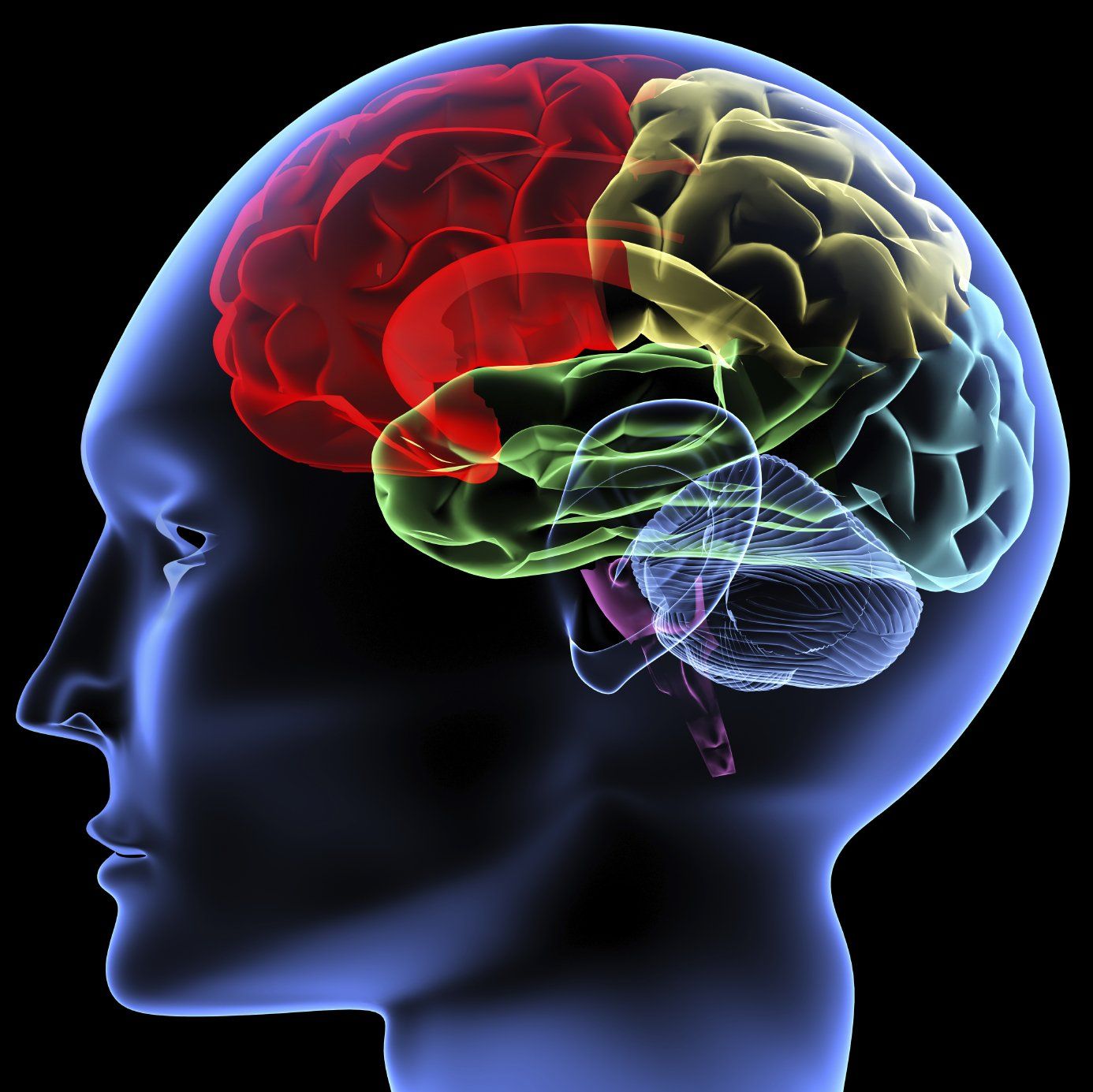
In short: To fix the function, we must check the signal.

The nervous system consists of many specialized afferent and efferent conduction systems that control all systems, connecting the body systems with the brain and also the various areas of the nervous system with each other.
- This is the only way that all systems can function in a coordinated and integrated manner.
Most bodily functions are controlled not only by biochemical signals but also by the nervous system.
Health is more than the absence of obvious disease. It is dependent upon the individual and is a reflection of an harmonious interaction with our environment - both internally, within our body, and externally.
Dysfunction in one area invariably leads to disruption elsewhere.
“All the specialists in the body have to work together in perfect harmony with the environment.
Only in this way can the human organism remain healthy and functional.
The central system in this is the nervous system.”
Dr. Philip Eckardt, MD (neurolog.de)
The immune system
A more traditional view of the immune system is that communication and function is limited to immune cells, antibodies and cell signalling protein such as cytokines.
And while this understanding is of course fundamental, it is increasingly recognized that the nervous system plays a significant role in regulation.
Functional neurology uses knowledge of the function of the nervous system to counteract disorders and the resulting symptoms and diseases at the neurological level.

NIS, or the Neurological Integration System, uses the fundamentals of neuro-functional medicine in a highly effective practical assessment and treatment.
One could actually say that NIS simply brings uncontrolled circuits, 'blown fuses', to your brains attention and suggests it do something about it!
That it re-integrates the functional circuits.
Julia Williams
Julia Williams is an osteopath and naturopath with over 27 years clinical practice, with a particular expertise in long-standing or difficult cases of back or joint pains.
She is passionate about helping people realise their optimum health potential. I use Tai Chi in my daily practice to assist clients in recovering from injury or who wish to improve their body-mind balance and awareness.
Julia sees patients in my clinics in London as well as visiting yards around the UK as an equine osteopath.

Registered Osteopath
The General Osteopathic Council (GOsC) regulates the practice of osteopathy in the United Kingdom. By law, osteopaths must be registered with the GOsC in order to practise in the UK.
Julia Williams is a member of the Institute of Osteopathy (iO). The iO is the largest membership body of osteopaths in the UK and works to support, unite, develop and promote the osteopathic profession for the benefit of patient health.
Julia Williams is registered with the health agency of the French region of Nouvelle-Aquitaine, ADELI number: 170004428
An ADELI number is assigned to all salaried or self-employed practitioners and serves as their reference number.


